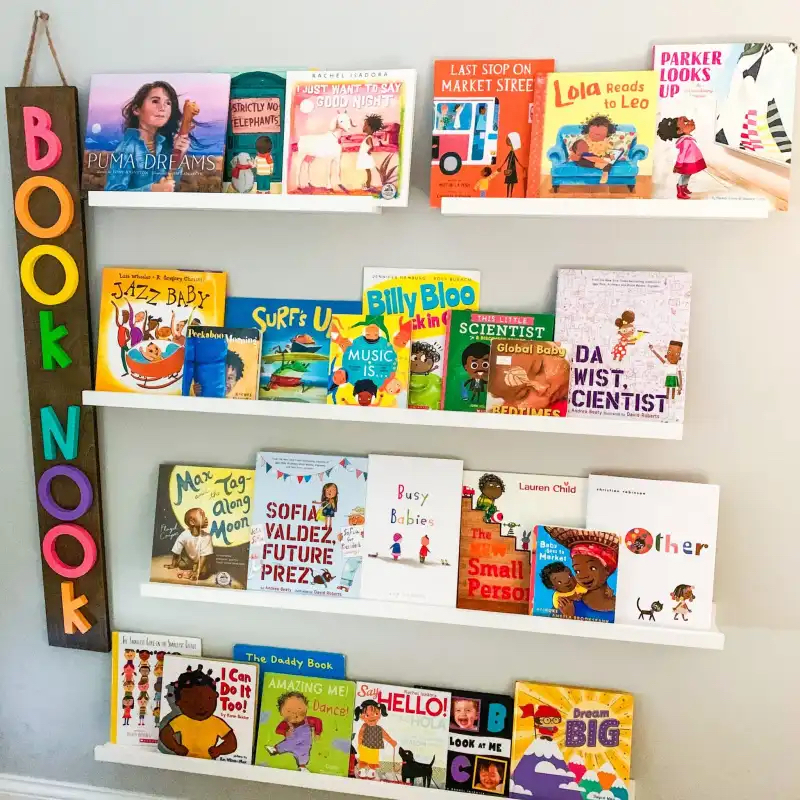
My 5 highlighted books:
Book #1: “Let’s Go, haw êkwa!” by Julie Flett.
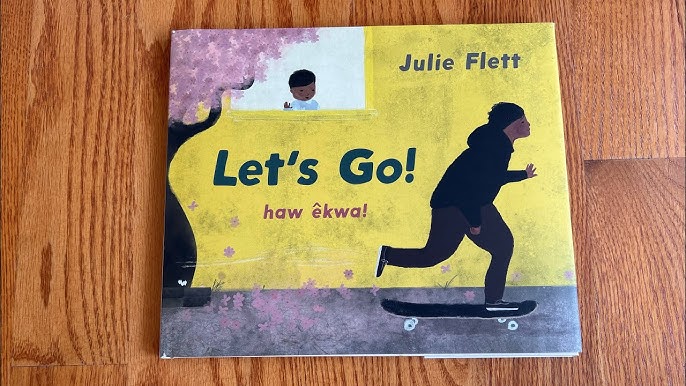
This Canadian Indigenous story is a picture book about a young boy who becomes inspired to try skateboarding after watching others from his window. With support from his mom, he practices again and again until he feels confident enough to join the skateboard park. Along the way, he finds friends and a sense of belonging. The story highlights perseverance, friendship, and finding your community, and it includes the Cree phrase haw êkwa, meaning “let’s go.”
Book #2: “On The Trapline” by David Robertson.

This Canadian Indigenous picture book follows a boy and his grandpa (Moshom). They take a trip together to visit a place of great meaning to Moshom. A trapline is where people hunt and live off the land, and it was where Moshom grew up. As they embark on their northern journey, the child repeatedly asks his grandfather, “Is this your trapline?” Along the way, the boy finds himself imagining what life was like two generations ago… a life that appears to be both different from and similar to his life now. This story explores the bond between generations, and shows a young child’s sense of wonder as he learns about places and stories that are important to his family.
Book #3: Eyes that Kiss in the Corners by Joanna Ho

This picture book follows a young Asian girl who begins to notice the physical differences between her eyes and the large, round eyes of her peers. Through the loving lens of her family, she realizes that her eyes are a beautiful inheritance shared by her mother, grandmother, and sister.
Book #4: Grandad’s Camper by Harry Woodgate
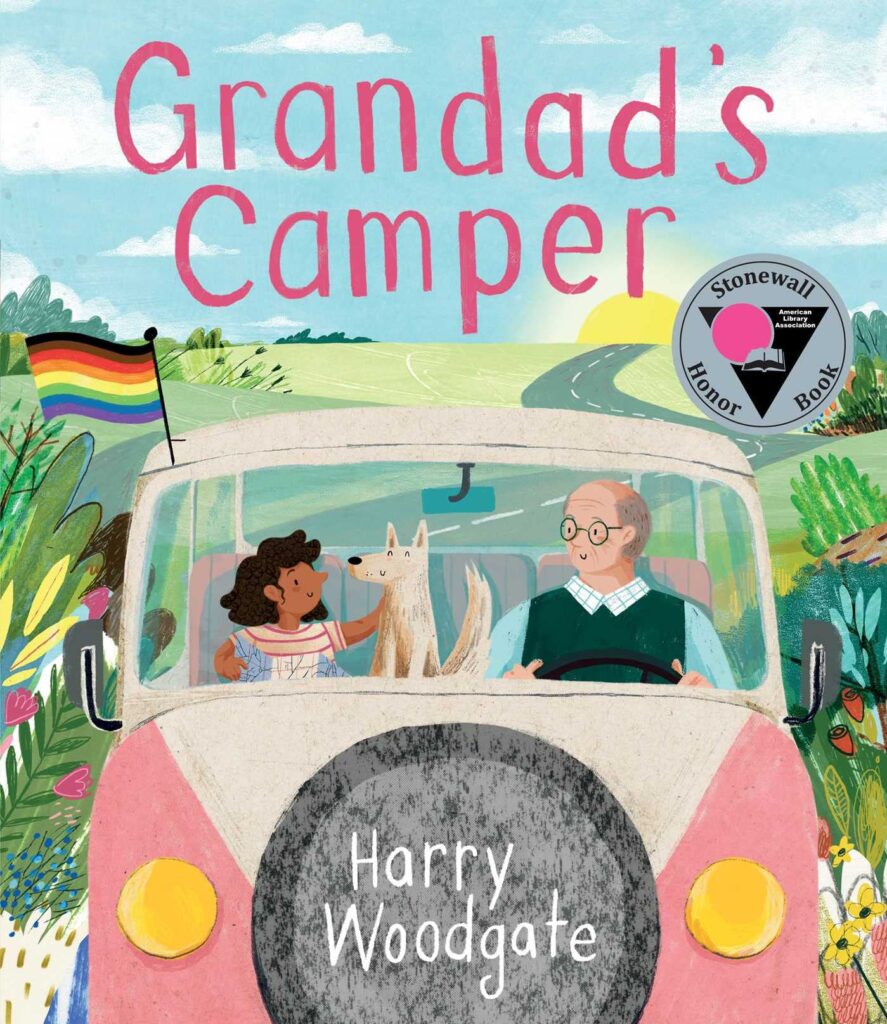
This picture book tells a beautiful story of Grandad and Gramps. However, after Gramps passes away, Grandad loses his spark for the adventurous life they once shared, leaving their beloved camper to gather dust. Seeing him stuck in his grief, his granddaughter steps in with a plan to fix up the old van and honor Gramps’ memory. It’s a very sweet, simple story about love, grief, and family.
Book #5: “Don’t Touch My Hair!” by Sharee Miller
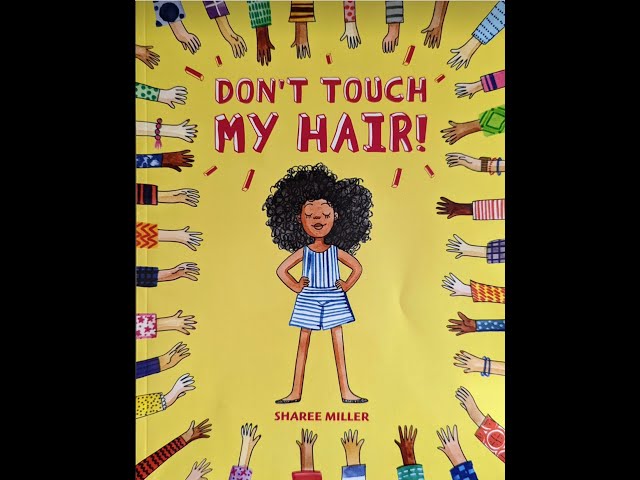
This picture book follows a girl named Aria, who has a head of magnificent, fluffy curls, but they seem to be a magnet for everyone she meets. From strangers on the street to monkeys in the jungle and even aliens in deep space, people and creatures just can’t keep their hands to themselves. After being poked, prodded, and chased across the universe, Aria finally reaches her breaking point. This story is about a girl who is reclaiming her personal space and learning to set firm boundaries regarding her own body. I really connected with this story because my best friend growing up had the same magnificent, fluffy curls. It was frustrating to watch people… even total strangers, constantly reach out to touch her hair without even asking. It clearly upset her, but she always felt too guilty to speak up. This book would have been a perfect way to show her that her feelings were valid and that it’s okay to set boundaries.
My Reflection on these books:
I hadn’t come across these books until now, but I chose them because they’re engaging for a wide range of ages. I specifically kept my practicum students (grades 5/6) in mind while picking them.
Connection to article Putting First Nations texts at the Center by Roxanne Harde
In building my classroom library, I have been deeply guided by Roxanne Harde’s philosophy of centering stories that treat children (especially Indigenous children) as individual people rather than generic symbols or objects of study. This approach is best exemplified by Julie Flett’s Let’s Go! In the story, the protagonist is a boy experiencing a universal human milestone (learning how to skateboard!), reinforced by the joyful Cree phrase haw êkwa. By prioritizing these authentic narratives, I hope to provide my students with stories that reflect children as whole, complex individuals, while also normalizing cultural languages, identities, and everyday experiences.
Connection to course text:
In our course text: Read Alouds for All Learners: A Comprehensive Plan for Every Subject, Every Day by Molly Ness, it states, “As you preview the text, make mindful notes about where you want to draw students’ attention, ways to draw out conversations after reading, and themes, concepts, and language you aim to revisit. Ask yourself questions such as the following to help uncover the text’s instructional opportunities. ‘What lessons, conversations, and follow-up activities jump to mind?’ ‘How might I take advantage of these opportunities?’” (p. 26) This guidance shaped how I built my classroom library choices above, because I intentionally previewed each book using YouTube read-alouds with these questions in mind!
Sources:
Putting First Nations texts at the Center by Roxanne Harde
Read Alouds for All Learners: A Comprehensive Plan for Every Subject, Every Day by Molly Ness
Book #1: “Let’s Go, haw êkwa!” by Julie Flett.
Book #2: “On The Trapline” by David Robertson.
Book #3: Eyes that Kiss in the Corners by Joanna Ho
Book #4: Grandad’s Camper by Harry Woodgate
Book #5: “Don’t Touch My Hair!” by Sharee Miller