
Image source: https://www.whakoom.com/ediciones/588349/the_wolves_in_the_walls-softcover_56_pp
What did we do?
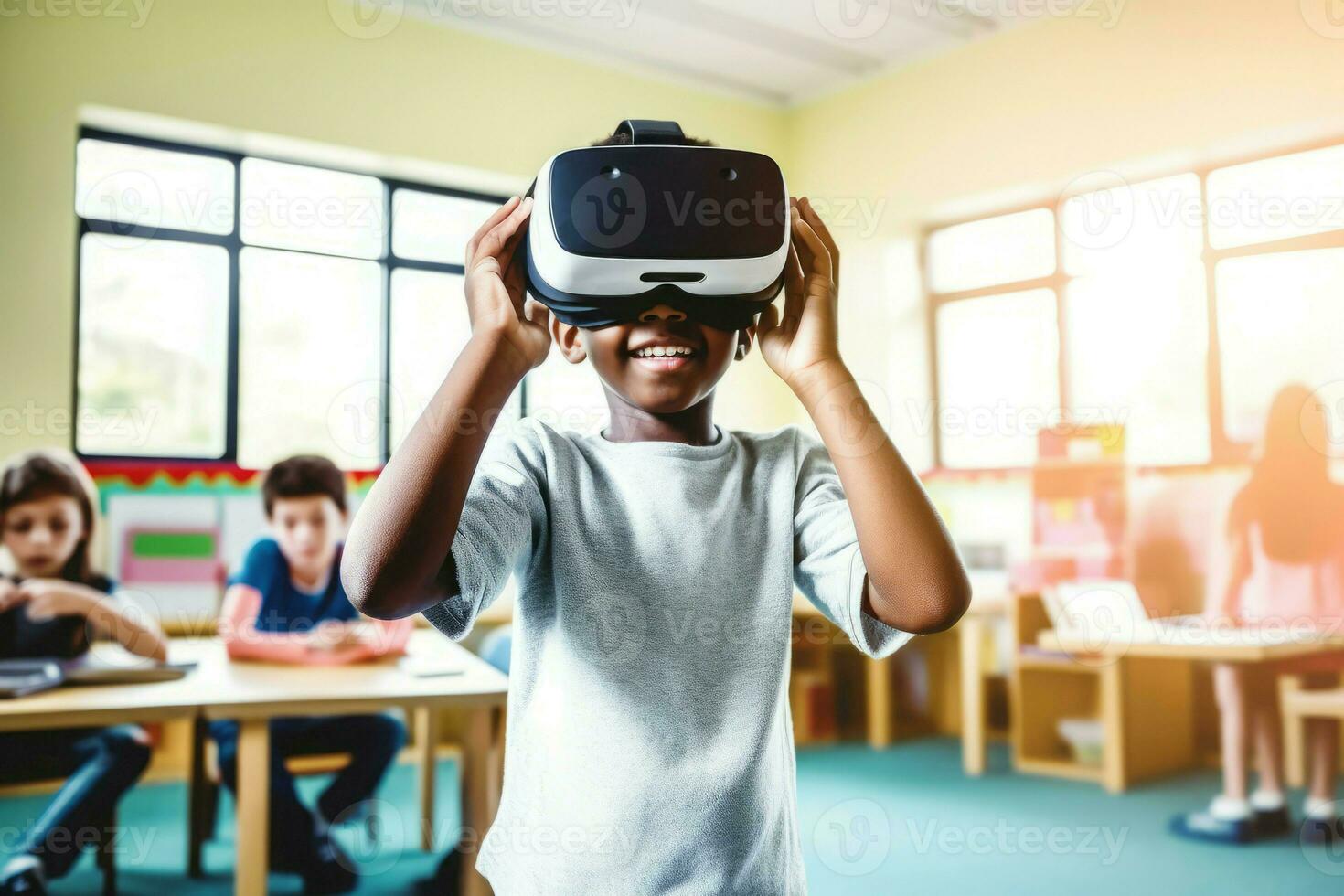
During this in-situ experience, our cohort not only got to experience Virtual reality (VR) through The Wolves in the Walls, but we also got to share this experience with a grade 5/6 class!
To start off, we met at the Design Lab to try the VR out for ourselves. This was very helpful, because some of us had never used VR before, and it was great to be able to learn how it works, how to use it, and more about the whole experience before we brought it into a classroom. The VR experience of Wolves in the Walls really brought the story to life, and it is a unique form of storytelling that I had never immersed in before.
When we went into the school for our in-situ, we started by reading the story to some students. Students travelled around the school, having the book read to them in chunks. I think that this was a very engaging way to read to the students, and they seemed to love it! I volunteered to read a section of the story, and I had a lot of fun with it.
After we finished reading, I was able to go into the classroom where the VR simulations were happening. There were students spread out all over the class, immersed in the VR… It was kind of dystopian! I directed several students through the VR story, and every student that I helped had a lot of fun! I also helped a few students in their ‘busy books’, however, I did struggle to get students engaged with the writing tasks when there was so much happening around them!
In summary, it was a really fun day full of energy, creativity, and new learning for me as a future teacher. Trying the VR ourselves first made a big difference because I felt much more confident bringing it into the classroom. Seeing how excited the students were during both the reading and the VR experience reminded me how powerful storytelling can be when it’s interactive and hands-on.
At the same time, it helped me realize that exciting technology can sometimes make it harder for students to focus on quieter tasks like writing. It was a good reminder that engagement looks different in different moments, and that structure still matters, even on fun days.
Overall, it was a memorable experience that pushed me out of my comfort zone and gave me a better understanding of how VR can be used thoughtfully in the classroom.

Image source: ParentMap
My personal experience with VR
My personal experience with VR was honestly something I wasn’t sure about at first. I had never used VR before, and I was a bit wary going into it. I get dizzy pretty easily, so I was nervous that it would make me feel sick or uncomfortable. I was definitely hesitant to put the headset on.
Once I actually tried it, though, I was surprised. It didn’t feel as overwhelming as I expected, and I found myself getting really drawn into the story. It was such a different way to experience a book, it felt immersive and interactive in a way that regular reading isn’t. Even though I was cautious at first, I ended up thinking it was a really fun experience.
It also made me realize how many different ways VR could connect to learning. Beyond storytelling, it could be used for exploring places around the world, learning about science concepts, or even experiencing historical events in a more engaging way. While I still think it’s important to be mindful of things like motion sickness and screen time, I can definitely see how VR could be a powerful tool in the classroom when used thoughtfully.
How does this connect to the BC Language Arts curriculum?
I think that this VR experience connects really well to the BC Grade 5 ELA curriculum. One of the big ideas is that: language and text can be a source of creativity and joy, and I definitely saw that. The students were able to step inside of the story, and it made storytelling feel exciting and different from the usual classroom experience.
I think that it also connects to the idea that: exploring stories helps us understand ourselves and make connections to others and the world. Watching students react to the VR showed me how much deeper their engagement was. Instead of just passively listening, they were fully immersed, which naturally led to stronger reactions and conversations about the story.
The curriculum includes the curricular competencies “Comprehend and connect (reading, listening, viewing)” and “Access information and ideas from a variety of sources and from prior knowledge to build understanding.” I think VR fits well within these competencies because students were not only reading the story, but also listening to it and viewing it in a digital, immersive format. They were engaging with information across multiple modes while drawing on their prior knowledge to make meaning. After experiencing the story, they responded through discussion and writing, which helped deepen their understanding. Even though it was challenging to transition into written tasks, that movement from experiencing the story to reflecting on it connects directly to these curricular competencies and supports comprehension across different forms of text.
Finally, I also think it connects to perspective and point of view, which are part of the BC Grade 5 curriculum content. Experiencing a story in VR changes how you understand it. It made me realize that format really does influence meaning, which is something the curriculum emphasizes. In Wolves in the Walls, the VR experience places you as an observer, watching the characters (mostly Lucy, but also her family). Even though this is a third person point of view, it feels much more personal and immediate than just reading it on a page. You’re not just imagining the setting, you’re standing inside it, looking around, and watching the characters move and speak around you. It feels like you’re part of the scene, even though you’re technically just observing.
How does my experience connect to the Professional Standards for BC Educators?
I think that this experience connects to Standard #6: teachers demonstrate a broad knowledge base and an understanding of the areas they teach. Before bringing VR into the classroom, we took the time to learn how the technology worked and read Wolves in the Walls ourselves.
By exploring the VR first, I felt more confident guiding students through it and helping them make meaning from the experience. Understanding both the literary elements of the story and the digital format allowed me to support students more intentionally. To me, that reflects Standard 6 because it shows the importance of knowing your content, not just the book itself, but also the tools and formats you’re using to teach it.

Image source: Forbes
Connection to a course text:
When I think about my VR experience with The Wolves in the Walls, two parts of Molly Ness’s definition of a read aloud stand out to me the most.
First, she defines a read aloud as “a shared literacy experience engaging children and adults in conversation and engagement around a high-quality text.” (p. 3) Even though we used VR, it still felt like that. We read the story together first, guided students through the experience, and talked about it afterward. I might not have thought of this experience as a read aloud before taking this course and reading Ness’ work, but now I can see how it fits because it was still centered around shared meaning-making, discussion, and engagement with a high-quality text.
Secondly, the idea that read alouds should be a “joyful and engaging experience for everyone involved” (p. 3) really connects to what I saw. The students were fully immersed and drawn into the story. It reminded me that engagement is a huge part of literacy… and that even new formats like VR can still align with the core purpose of an interactive read aloud. I love finding new ways to engage students, especially when those experiences still support conversation and a deep understanding of the text.
Sources:
Read Alouds for all Learners: A Comprehensive Plan for Every Subject, Every Day by Molly Ness